Resources
Aluminum Electrode Storage and Packaging | Handling Guidance for AWS A5.3 Covered Stick Electrodes
Storage and Packaging of Aluminum Covered Welding Electrodes
Aluminum covered SMAW electrodes classified under AWS A5.3 carry a highly hygroscopic flux coating, which sets them apart from carbon steel, stainless steel and many other alloy stick electrodes. Even short exposure to elevated humidity, dew‑point cycling or surface condensation can alter flux chemistry, introduce trapped hydrogen and create scattered porosity, poor arc stability or inconsistent slag release during deposition. Unlike low‑hydrogen steel electrodes, most aluminum stick electrodes do not respond reliably to rebaking; once the coating has absorbed moisture beyond a practical threshold, the risk of weld defects remains even after thermal treatment, making packaging and continuous storage discipline central to consistent weld quality.
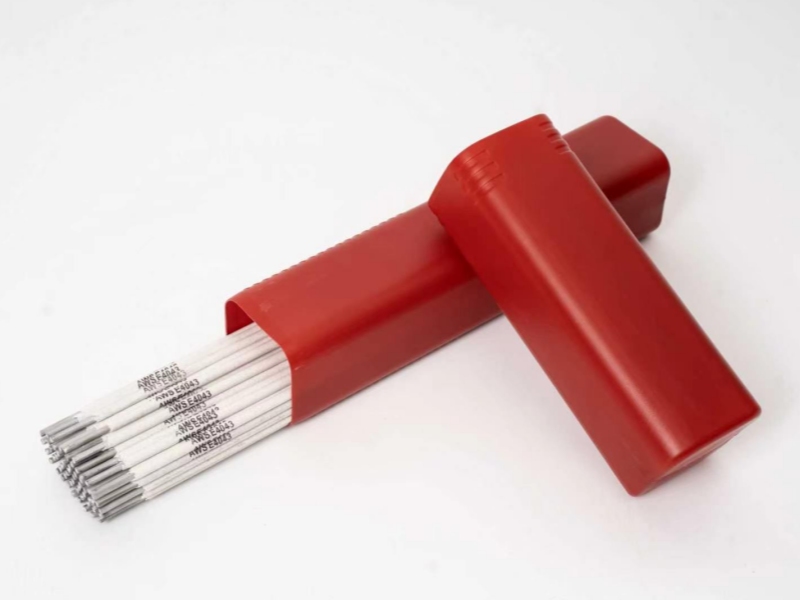
This guidance focuses specifically on covered aluminum stick electrodes including E4043, E1100 and E3003 grades, and distinguishes their requirements from bare AWS A5.10 TIG filler rods and MIG spooled aluminum wire, which follow separate surface protection protocols. It is written for procurement teams, welding supervisors, third‑party inspectors and project owners who require traceable, stable consumables for marine fabrication, tank construction, structural aluminum repair and pressure‑component welding.
Flux Behaviour and the Root Risk
The mineral and organic compounds within aluminum electrode coatings readily capture water vapour. When an arc vaporises trapped moisture, hydrogen enters the molten weld pool. Aluminum’s rapid solidification rate leaves little time for gas escape, and microscopic voids often remain after cooling. In radiographic‑critical work such as offshore fittings, vessel internals or anodised structural assemblies, these discontinuities can lead to inspection rejection, rework and extended project timelines.
Condensation is frequently overlooked as a hazard. When sealed electrode packages move from cooler warehousing or container transit into warmer fabrication bays, cold packaging surfaces can drop below the local dew point before the inner temperature equalises. Moisture then forms on the exterior and may penetrate compromised seals. This risk applies equally to factory stock, bulk consignments and smaller field packs.
Recommended Warehouse Storage Conditions
Permanent storage facilities for unopened aluminum covered electrodes should maintain stable temperature and restrained relative humidity, with minimal daily fluctuation. A target band of 18 °C to 24 °C, paired with relative humidity kept below 50 %, offers a practical baseline for long‑term preservation. Where ambient temperatures rise above 25 °C, tighter humidity control below 40 % reduces vapour uptake across intact packaging.
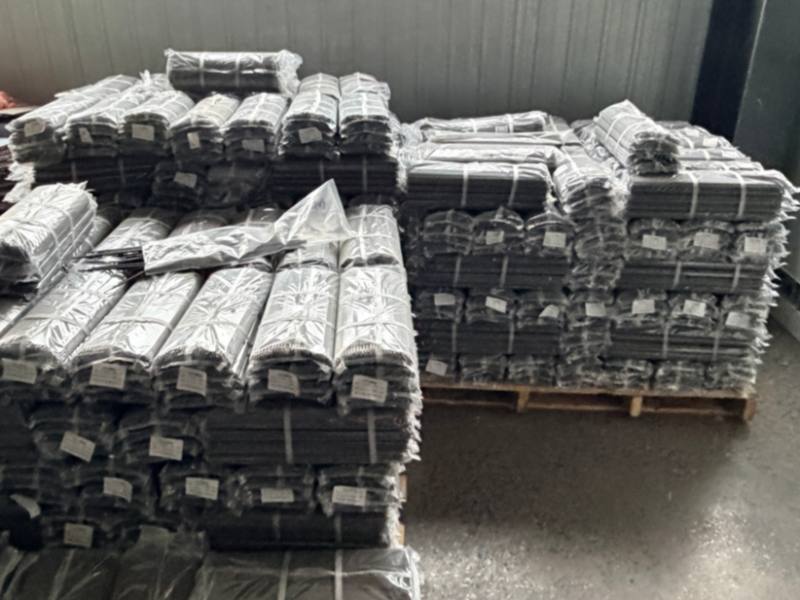
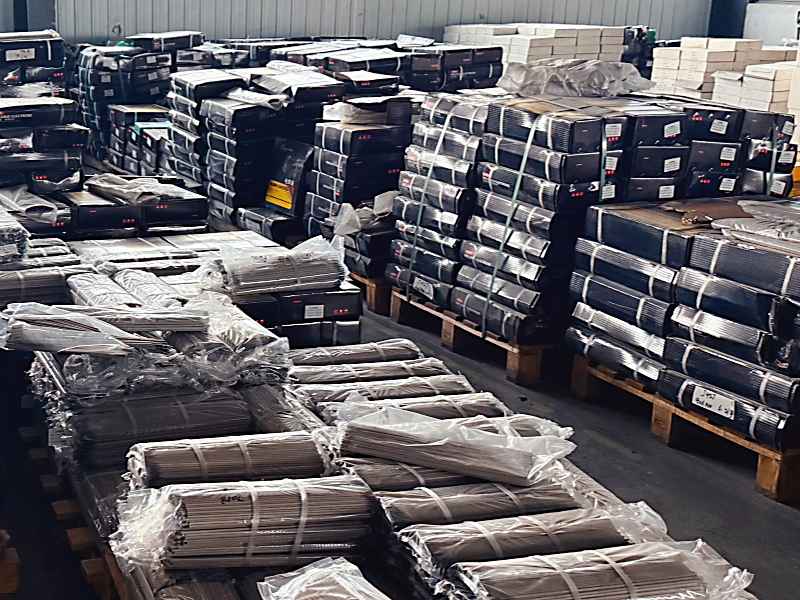
Electrode packs should sit on elevated pallets or racking, separated from direct contact with concrete floors, exterior walls, drain runs and roof overhangs that can transfer temperature swings or liquid water. Stock rotation by lot and heat number is recommended, aligned with each shipment’s manufacturing date. This practice supports traceability and avoids extended idle storage of older batches, even when outer packaging appears undamaged.
A critical operational rule is thermal acclimatisation. Any sealed batch transferred between climate zones should remain in its original packaging inside the receiving facility for a minimum of 24 hours before opening. This waiting period allows the electrode core and flux coating to match ambient temperature and prevents condensation from forming directly on the coating once the barrier is broken.
Packaging Design for Domestic and Export Shipment
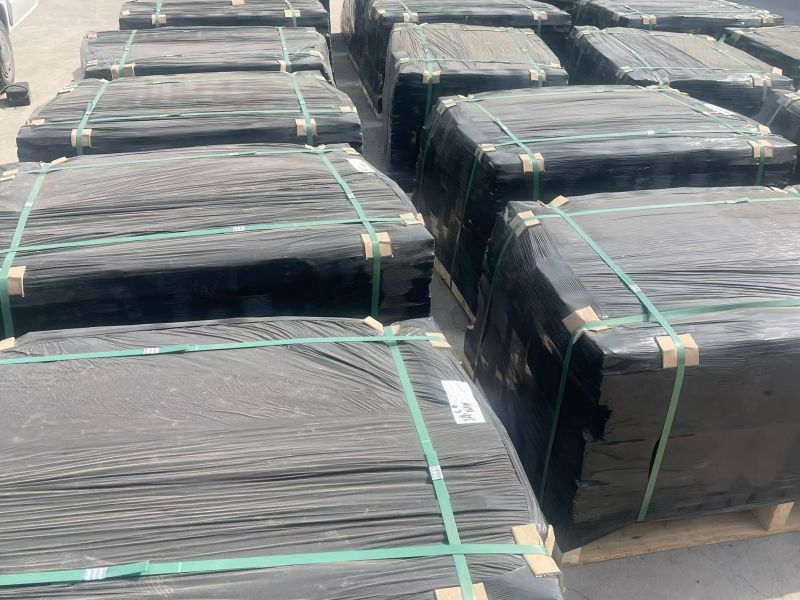
Packaging for aluminum stick electrodes serves two connected goals: physical protection of the brittle flux coating and a continuous moisture barrier. Ordinary shrink film or thin paper cartons do not provide sufficient long‑term isolation and are best reserved for local, low‑criticality delivery routes.
For export shipments, ocean transit and project‑grade supply, hermetic foil vacuum packs or sealed metal canisters are preferred. Each primary unit is labelled with AWS classification, diameter, net weight, lot number, heat trace reference, manufacturing date and storage guidance. Humidity indicator cards and desiccant sachets are included inside sealed packs for high‑humidity destination markets, giving receiving teams a simple visual check before acceptance.
Outer corrugated export cartons are reinforced with edge protectors and stacked with weight limits to avoid crushing. Carton marking includes handling symbols for dry storage, orientation and fragility, alongside destination and consignment identifiers. When multiple lots ship together, lot segregation is maintained through the whole packing process so individual lot‑specific dossier documentation remains aligned with physical goods.
Handling After Package Opening
Once the moisture barrier is breached, the exposure window becomes limited. For critical fabrication, opened aluminum covered electrodes should be transferred immediately into a temperature‑controlled holding cabinet set between 100 °C and 120 °C, and consumed within a defined working shift. Any electrodes left exposed to uncontrolled workshop air for extended periods should be isolated and tested before use, or removed from production stock if flux discolouration, surface tackiness or visible bloom appears.
Operators should withdraw only the quantity expected for immediate use. Loose electrodes are not to be left on benches, near water jets, under open shed cover or beside compressed‑air lines that can circulate humid shop air across exposed coating surfaces. Separating aluminum electrodes from other welding consumables also reduces cross‑contamination from steel dust, grinding debris and residual oils.
Receiving Inspection and Batch Verification
Upon arrival, receiving teams should inspect every outer carton for signs of water staining, seal rupture, dents or punctures before unpacking. Vacuum packs are checked for retained negative pressure, and humidity indicators are cross‑referenced against the shipment’s intended application. For projects requiring lot‑specific dossier records, inspection notes, seal status and indicator readings can be appended to the existing MTR and compliance documentation.
If packaging integrity fails during transit, the batch should be quarantined and evaluated by a welding engineer before release. The decision to use compromised stock depends on the project’s inspection class, not a blanket assumption that minor seal damage is harmless.
Distinction Between Covered Electrodes and Bare Aluminum Filler Metals
It is common for buyers to group aluminum welding rods and electrodes together in sourcing workflows, yet their storage rules differ materially. AWS A5.3 covered stick electrodes rely on flux stability and are vulnerable to vapour absorption through the coating. Bare AWS A5.10 TIG filler rods and MIG wire are primarily protected against heavy oxide formation and surface contamination; their requirements focus on clean handling, low‑humidity storage and avoidance of grease, cutting fluids and shop dust. Separating these product families in warehousing, labelling and technical communication reduces field error and prevents buyers from applying one set of handling rules across incompatible filler metals.
Practical Checklist for Fabrication Teams
Keep unopened aluminum electrode packs sealed and acclimatised before opening.
Maintain controlled storage with steady temperature and limited humidity fluctuation.
Store stock on raised racking, away from cold walls, floors and liquid exposure.
Select vacuum‑sealed or hermetically sealed primary packs for marine and export consignments.
Transfer opened stock into heated holding cabinets and enforce short exposure windows.
Mark and segregate each lot to preserve traceability alongside MTR and batch records.
Inspect packaging seals and humidity indicators during receiving inspection.
Do not assume damp aluminum electrodes can be restored by standard rebaking cycles.
Frequently Asked Questions
Can aluminum covered welding electrodes be rebaked after moisture exposure?
Rebaking carries a high risk of altering flux composition and degrading arc behaviour. For most AWS A5.3 aluminum stick electrodes, manufacturers do not specify a reliable rebaking cycle comparable to low‑hydrogen steel electrodes. Where exposure has occurred, the safest path for inspected welds is batch isolation and technical review.
What packaging option works best for ocean export?
Hermetic vacuum foil packs with internal desiccant and humidity indicators provide the strongest moisture barrier for container shipment. Outer reinforced cartons reduce mechanical damage that would otherwise break primary seals.
How long should electrodes acclimate before opening?
A 24‑hour equalisation period is standard practice when packages move between different climate zones. This interval lowers the chance of condensation forming once the seal is opened.
Does this guidance apply to ER‑series aluminum TIG rods?
No. This article addresses covered SMAW stick electrodes under AWS A5.3. Bare TIG and MIG aluminum filler metals follow separate surface‑protection protocols under AWS A5.10.
Closing
Consistent packaging and storage practices directly protect the metallurgical performance of aluminum covered stick electrodes. For distributors and project suppliers, clear handling guidance reduces support queries, lowers field rejection rates and demonstrates attention to the quality controls that engineering and procurement teams prioritise. When paired with traceable lot documentation and material test reports, disciplined storage and packing protocols become part of the value delivered with each shipment, rather than an afterthought.